














As global protests against racism triggered by the murder of American George Floyd in the US coalesce around the collapse of monuments of “white supremacy”, the Minister of Culture of Jamaica, Olivia Grange, has opened the door to discussion about the removal of statues of colonial-era icons in public spaces.
Grange revelation comes after London mayor, Sadiq Khan, a week ago, establish a commission to review statues, monuments and street and place names to reflect greater diversity and cultural sensitivity.
The minister said the Holness administration agreed that the emerging lawsuit was necessary to address the inequities and injustices of the past that are impacting modern life..
“The Government understands that peaceful protests, Robust public debate and even changing symbols are part of a process each generation must go through to define itself as a race and nation of people.”, Grange told the local newspaper The Gleaner.
“There is ample scope for discussion with all interested parties in order to determine the most appropriate course of action in relation to our treatment of monuments”, he added.
But some cultural activists in Jamaica believe the country should act more radically to remove from public spaces what they see as emblems of support for the oppression of white slaveholders..
The gender and development studies scholar, Professor Opal Palmer Addis, firmly defended that the fervor of the movement “Black Lives Matter” have a decisive impact on this generation.
“I think that, as an independent nation, we should be more correct in terms of how we name things”, Palmer Adisa said, adding that “We should leave people like Christopher Columbus in some basement museum and have things that more represent and reflect the 95 percent of the African population that makes up Jamaica”.
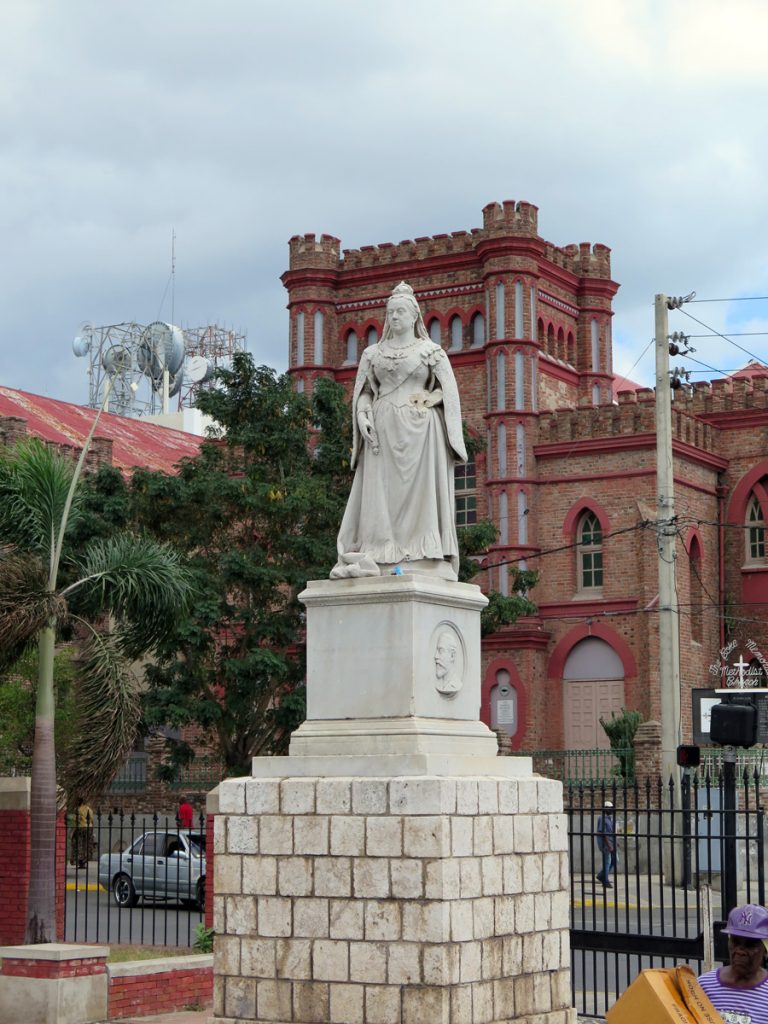
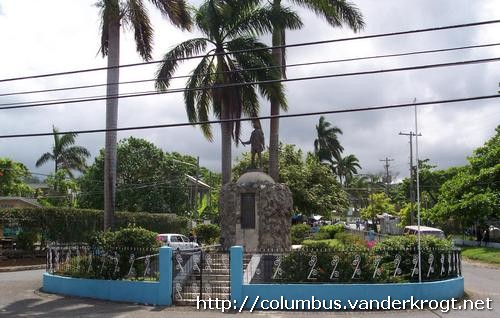
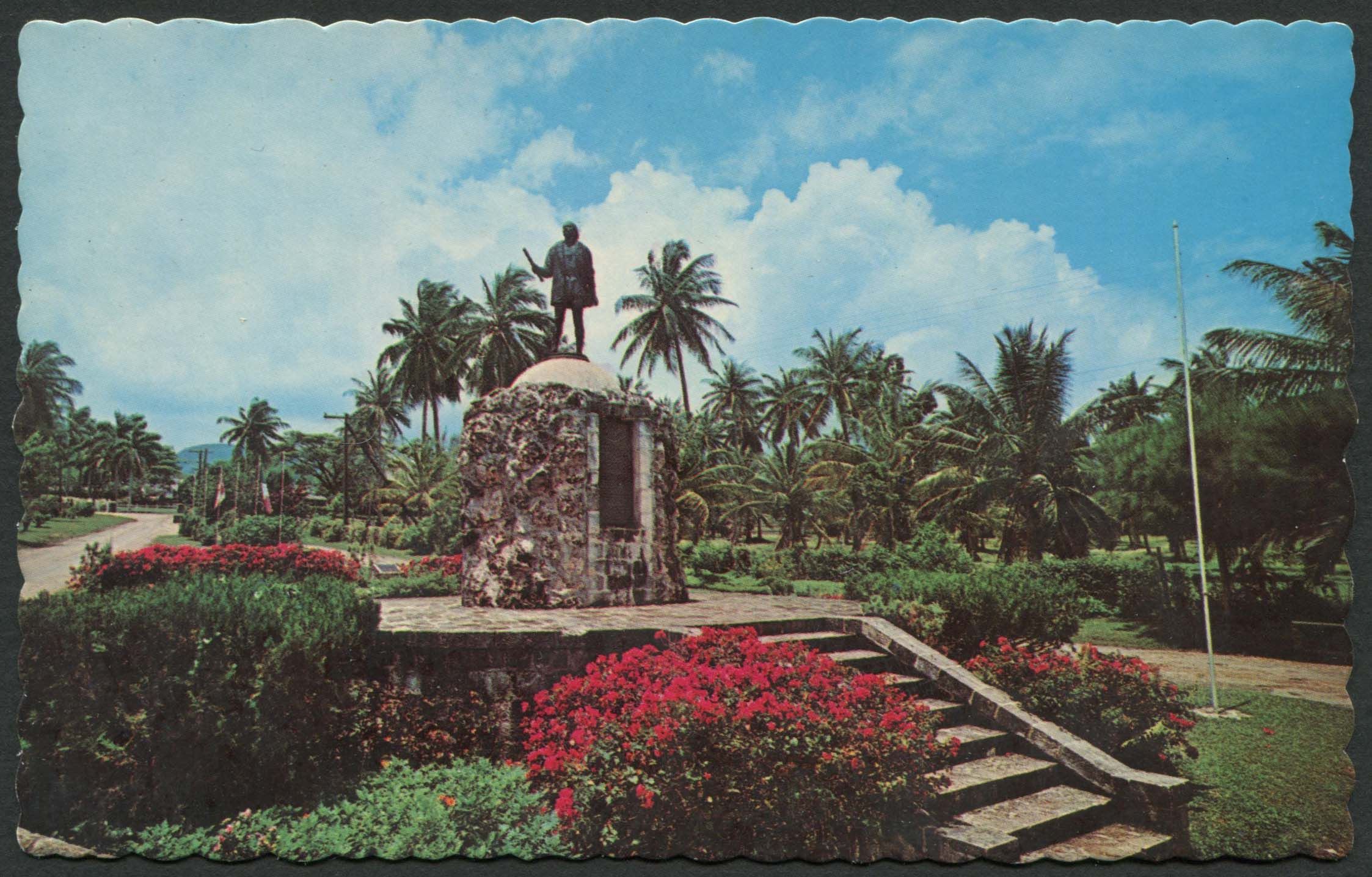
Notably, Jamaica still has statues venerating Christopher Columbus in St. Ann´s Bay, in addition to a white cross in the place where Columbus arrived on the island; to British Admiral George Rodney in St. Catherine; and Queen Victoria in the center of Kingston.
Meanwhile, Professor Carolyn Cooper said she understands the reason for the demand for the removal of colonial-era statues from public spaces, but believes Jamaica must go beyond superficial challenges to imperialism.
“The desire to tear them down makes a lot of sense.”. But it can't stay there. It is an empty gesture if the systems of oppression in the present are not also transformed “, Cooper told the same newspaper.
In interview with Reggae Chalice, Cooper delved into the matter and asked if this discussion is a good step to make deeper changes regarding the measures that should be adopted to ensure that society is proud of its African roots., The teacher said that “it is a good start.”, But it has to be much deeper than that.. We can't rewrite the past. But we can redefine its meaning for the present. And we have to be proud of our African heritage. The African presence in the Americas did not begin with slavery. There is a book by Ivan Sertima with this revealing title: They Came Before Columbus”.
The professor specializing in cultural development assured that there is political ground to advance in demolishing the monuments of the slave era, but simultaneously “we have to tear down the imperialist ideology that put them in the first place”.
Regarding the contradictions that occur in the face of initiatives like this versus the reality of a percentage of the population that “whitens” their skin, thus offending their African identity., Carolyn Cooper replied to Reggae Chalice that “the media plays a very important role in the formation of ideas of race. That is one of the problems that needs to be addressed.. The advertising industry devalues black people, especially black women. So that's where we have to start. Even reggae and dancehall artists who sing about emancipation tend to use light-skinned women in their videos. Then, the problem of color bias runs deep. Tearing down statues isn't going to solve it.. There must be a continuing public debate about the legacies of colonialism in the present..
Cooper described as positive the launch of a petition to rename the street Lady Musgrave - who was the wife of the 19th century governor of Jamaica, Anthony Musgrave-, but argued that the Government should also eliminate other vestiges of colonialism, like having the Queen of England as Jamaica's Head of State and her representative, the Governor General.
Likewise, he also considered the modern representation of black identity to be worrying., as are the statues in Emancipation Park and the bust of Marcus Garvey at the University of the West Indies (University of West Indies).
“It is more worrying because it is a modern representation of black identity that reproduces colonialist stereotypes. (The statue in Emancipation Park) represents emancipated Africans in a posture of passivity: hands at the sides, head looking skyward for redemption, i guess. There is none of the political energy of Jamaica's long history of fighting for freedom. In addition, the nudity of the figures is problematic. Enslaved Africans wore clothing to express their humanity, even in circumstances designed to diminish them. In the same way, the monument to Marcus Garvey does not convey the power of man. "He is the embodiment of passivity and weakness.", he concluded.
Source: The Gleaner / RC team