










Rolling Stones magazine celebrated Jamaica's independence with a great musical selection
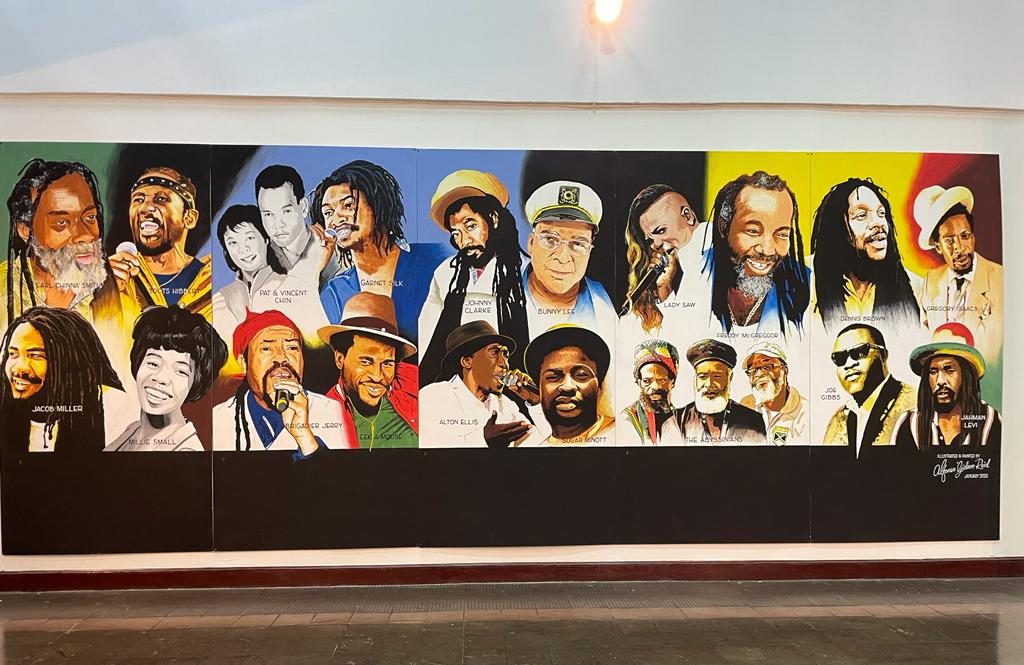
The 6 August 1962, ago already 60 ago, Jamaica achieved independence from the United Kingdom and since then the inhabitants of the small Caribbean nation have been prolific creators of some of the most influential musical styles in the world., like ska, el rocksteady, reggae, The Dub and the Dancehall.
And to celebrate these six decades of independent life, Magazine Rolling Stones compiled a list of 60 songs, one for each year, to tell the musical evolution of the island.
According to the publication, some of these songs were chosen because they heralded a new direction in sound, others sparked a movement, generated controversy, marked a turning point in an artist's career or had a significant impact at the time of its release.
The listing, which was prepared by the journalist Patricia Meschino, only includes one song per artist, since due to the abundant musical talent there were too many records to choose from in any given year, so some important releases may not appear, but it's just a reminder of how amazingly rich this story is.
The listing
Derrick Morgan, “Forward March” (1962)
“We are independent” is the happy refrain heard in “Forward March” of Derrick Morgan, that conveys the effervescence that Jamaicans felt when their island, british colony since 1655, became a sovereign nation. Ska developed in the late 1990s. 1950 in the Kingston studios and the emerging sound of “Forward March” was still tied to the random rhythm of R&B that influenced him, although slower than the ska beat heard on recordings made in subsequent years.
The Maytals, “Never Grow Old” (1963)
Millie Small, “My Boy Lollipop” (1964)
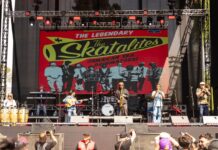
The Skatalites, “Guns of Navarone” (1965)
Hopeton Lewis, “Take It Easy” (1966)
Prince Buster, “Judge Dread” (1967)
Larry Marshall and Alvin Perkins, “Nanny Goat” (1968)
Desmond Dekker and the Aces, “Israelites” (1969)
70's decade′
U Roy and the Paragons, “Wear You to the Ball” (1970)
The Abyssinians, “Satta Amassa Gana” (1971)
Jimmy Cliff, “The Harder They Come” (1972)
Director Perry Henzell's landmark film authentically and vividly depicted the culture that gave rise to ska., rocksteady and reggae, and corruption within the island's music industry. The charismatic main character of Jimmy Cliff and the stark realism that accompanies it are responsible for the enduring appeal ofThe Harder They Come . The adapted soundtrack, which includes Toots and the Maytals, Desmond Dekker, The Melodians, The Slickers, Scotty and, of course, Jimmy Cliff's theme song, written especially for the film, established reggae, and the complex culture that gave rise to it, a lot more. what a blow of novelty.
The Wailers, “Get Up Stand Up” (1973)
King Tubby and Augustus Pablo, “King Tubby Meets Rockers Uptown” (1974)
Burning Spear, “Marcus Garvey” (1975)
Peter Tosh, “Legalize It” (1976)
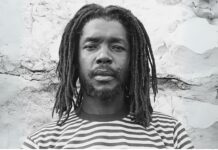
No other reggae artist has defended weed as passionately or suffered as many beatings at the hands of authorities for his uncompromising stances as Peter Tosh. Tosh's Marijuana Anthem Lists Marijuana's Healing Properties: “It is good for the flu, good for asthma/Good for tuberculosis…”, decades before the term medical marijuana came into common use. The song was banned in Jamaica upon its release..
Third World, “Now That We’ve Found Love” (1978)
Mighty Diamonds, “One Brother Short” (1979)
80's decade′
Bob Marley, “Redemption Song” (1980)
Black Uhuru, “Sponji Reggae” (1981)
Gregory Isaacs, “Night Nurse” (1982)
Dennis Brown, “Revolution” (1983)
With its warm and honeyed tone, Dennis Brown was many people's favorite singer, including Bob Marley. Brown's voice was wonderfully suited to love songs, but it also adapted to cultural statements, which come together in “Revolution”. Written by Brown and produced by Sly and Robbie, “Revolution” affirms that the correct revolution needs a solution, which he poses as “live, amar, share and care”
Frankie Paul, “Pass the Tu-Sheng Peng” (1984)
Wayne Smith, “Sleng Teng” (1985)
Sugar Minott, “Herbman Hustling” (1986)
Cocoa Tea, “Come Again” (1987)
Shabba Ranks and Crystal, “Twice My Age” (1988)
Junior Reid, “One Blood” (1989)
90's decade′
Beres Hammond, “Putting Up Resistance” (1990)
An exception to his extensive repertoire of lover's-rock hits, the defiant social statement of Hammond questions “how the system was planned” and regrets “break my back to earn a dollar overnight that goes from hand to mouth”. His guttural cry for a better way of life made this song of the suffering one of the most popular songs of the early 1990s. 1990
Super Cat and Heavy D, “Dem No Worry We” (1992)
Garnet Silk, “Complaint” (1994)
Luciano feat. Terror Fabulous and Louie Culture, “In This Together” (1995)
Tanya Stephens, “Yu Nuh Ready Fi Dis Yet” (1996)
Sizzla, “Black Woman and Child” (1997)
Inside the voluminous Sizzla catalog, the albumBlack Woman and Child It is possibly his best work.Recorded when Sizzla was solo 20 ago, the title track is an evocative tribute to black women and Mother Africa, with a burning voice, but sensitive, by Sizzla creating a rhythm that is neither reggae nor dancehall, but an impeccably embellished Rastafari Nyabinghi drum beat. Twenty-five years after the release of this masterpiece, Sizzla Kalonji's influence still resonates in the music of a new generation of Rastafarian singers.
Decade of 2000
Junior Kelly, “If Love So Nice” (2000)
Shaggy, “Angel” and “It Wasn’t Me” (2001)
Morgan Heritage, “She’s Still Loving Me” (2003)
Richie Spice, “Earth A Run Red” (2004)
Damian Marley, “Welcome To Jamrock” (2005)
The burning letters of Damian Marley and their astonishing performance reveal the idyllic image of Jamaica by contrasting the luxurious all-inclusive resorts with the well-known Back-To ghetto of Kingston, where “the thugs will do whatever they want and won't think twice about shooting you”. “Jamrock”, which also features a sample of Ini Kamoze's hit “World a Reggae” of 1983, has influenced many reggae stars who emerged in the following decade; Chronixx, Kabaka Pyramid y Protoje have cited “Jamrock” as a sonic and lyrical impact on his own musical creation.
Tarrus Riley, “She’s Royal” (2006)
Vybz Kartel feat. Spice, “Ramp Shop” (2009)
10's decade′
Raging Fyah, “Judgement Day: Music For the Rebels” (2010)
The decade of 2010 In Jamaica he saw a “reggae revival”, that is to say, the label assigned to young artists whose uplifting, Rastafari-infused lyrics echoed reggae's golden age of the 1990s. 1970, but with contemporary influences. Raging Fyah emerged as the most celebrated independent band of the renaissance and “Judgement Day: Music For The Rebels” is one of his best singles and the title track from his 2011 debut album. The song's lyrics are the thoughtful words of a Rasta man who has lived his life without fear of the condemnation of Babylon., so when i get to heaven, will play sweet reggae music for like-minded rebels.
Stephen Marley feat. Damian Marley and Buju Banton, “Jah Army” (2011)
Busy Signal, “Reggae Music Again” (2012)
Jesse Royal, “Modern Day Judas” (2013)
Protoje feat. Chronixx, “Who Knows” (2014)
Chronixx, “Capture Land” (2015)
Dre Island feat. Popcaan, “We Pray” (2017)
Koffee, “Toast” (2018)
The Jamaican sensation Koffee had alone 18 years when he recorded “Toast”, a joyful expression of gratitude that resonated with audiences of diverse ages and backgrounds, even if they couldn't decipher the lyrics within their remarkable patois lyrical fluidity. More closely related to dance music than dancehall, “Toast”, Koffee's international breakthrough presented on his EPRapture , Grammy Award winner , has obtained more than 132 million plays on Spotify.
Lila Iké, “Where I’m Coming From” (2019)
20's decade′
Popcaan feat. Drake and PARTYNEXTDOOR, “Twist and Turn” (2020)
