













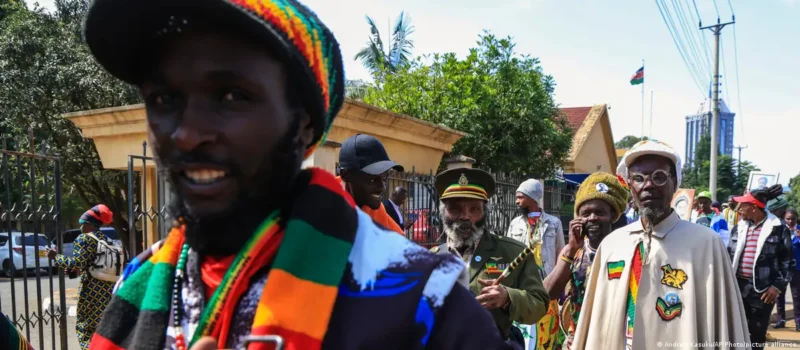
The High Court of Kenya, a Nairobi, last Wednesday denied the right to smoke marijuana for religious reasons to Rastafari after their members requested an exemption from the country's draconian narcotics laws, inherited from the British colonial era. A long-awaited ruling that community members considered an attack on the “african spirituality”.
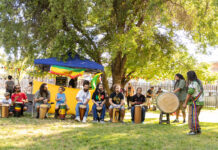
The Rastafarians, who use marijuana as part of their meditation and spiritual bond, have been appealing to the Kenyan courts since 2021 to allow them to consume this herb under the constitutional right to freedom of religion.
Nevertheless, The High Court ruled that the community had failed to demonstrate that the plant was a necessary part of its practice, denying the right to evade the country's anti-drug laws that punish up to 10 years in prison and a considerable fine for possession.
Although all the witnesses “agreed that cannabis is used as a sacrament, "They could not agree on whether its use is essential or simply preferable.", the judge declared in his ruling.
One of the plaintiffs, Ras Dimo, of 40 ago, declared to the French Press Agency (AFP) that the ruling reflected “the laws of oppression, colonial laws that seek to belittle African spirituality (…) The Rastafarian only wants to burn this sacred plant so that the incense can rise to the Almighty”, he added.
The lawyer representing the community declared that they will appeal the court's decision because, despite ruling against, Judge noted widespread recreational use of cannabis in Kenya suggested current law was too harsh.
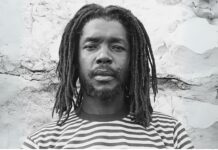
“It is indisputable that cannabis use in this country has become ubiquitous and, possibly, has been for many decades”, he claimed, even going so far as to quote Peter Tosh's iconic reggae song “Legalize It”, including the lyrics: “the judges smoke it, even lawyers do it”.
The “status quo seems unsustainable”, the judge said, and pointed out that “there should be a full and frank conversation about cannabis and the direction we should take”.
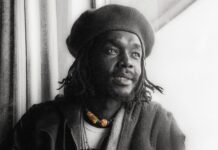
The Rastafari community maintains a special bond with Kenyan history due to its tradition of wearing dreadlocks., hair that was also characteristic of many members of the Mau Mau, the Kenyan fighters who fought for independence against British colonial rule in the decades of 1950 and 1960.
However, as in other countries in the world, Rastafarians say police routinely use country's drug laws to harass them.
This East African country de facto recognized the movement in 2019, when a court ruled that a student's expulsion from school because of her dreadlocks had violated her religious rights. The Rastafari movement is considered to be on the rise in Kenya, especially among young people.
Source: AFP
